
Security today is no longer just about locks and alarms—it’s about control, visibility, and peace of mind.
Whether you’re a homeowner in Auckland, a business operator, or a property investor, installing the right security system is one of the smartest decisions you can make.
With rising property values, increased urban density, and more sophisticated threats, modern security systems in New Zealand have evolved into fully integrated, intelligent protection networks.
From home alarm systems and CCTV cameras to access control and smart automation, this guide covers everything you need to know to secure your property the right way.
Looking for a trusted security provider in Auckland? Explore the SecurityCo to discover our complete range of home alarm systems, CCTV installation, commercial security, access control, alarm monitoring, and smart security solutions tailored for homes and businesses across Auckland.
What Is a Security System—and Why It’s Essential Today
A security system is a network of devices designed to detect, deter, and respond to threats.
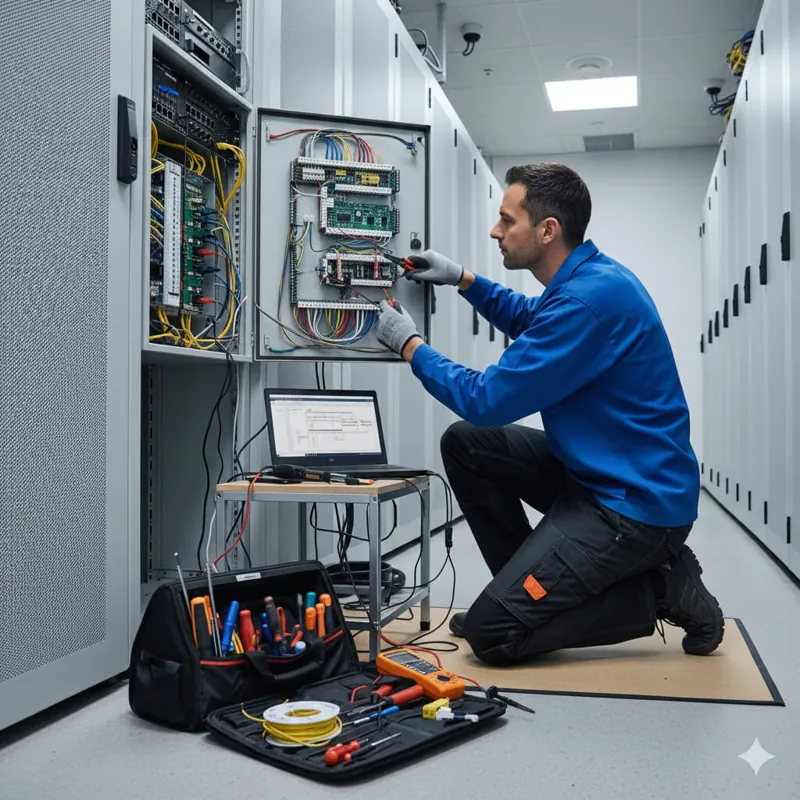
These threats include:
- Burglary and break-ins
- Unauthorized access
- Property damage
- Fire or emergency incidents
Core components of modern systems:
- Alarm systems (intrusion detection)
- CCTV cameras (visual monitoring)
- Motion and entry sensors
- Access control systems
- Mobile and remote monitoring
In New Zealand, especially in high-growth areas like Auckland, security systems are no longer optional—they are a baseline requirement for property protection.
👉 The shift is simple: from reactive security → proactive prevention
Types of Security Systems You Need to Know
1. Home Alarm Systems: Your First Line of Defense
Home alarm systems are designed to detect unauthorized entry and immediately trigger alerts.
Key features:
- Door/window sensors
- Motion detection technology
- Loud sirens
- Mobile app alerts
- Optional 24/7 monitoring
Why they matter:
- Immediate threat detection
- Strong visual deterrent
- Faster emergency response
- Lower insurance premiums
👉 For most homes, an alarm system is the foundation of any security setup
2. CCTV Camera Systems: Total Visibility, Anytime
CCTV systems give you eyes on your property—whether you’re home or away.
Core advantages:
- Real-time video monitoring
- Recorded footage for evidence
- Remote access via smartphone
- Crime deterrence
Types of CCTV systems:
- Indoor cameras
- Outdoor weatherproof cameras
- Night vision and infrared cameras
- Wireless and IP-based systems
Modern CCTV systems in NZ are increasingly cloud-connected, allowing you to monitor your property from anywhere in the world.
3. Access Control Systems: Control Who Enters
Access control systems go beyond traditional locks.
They allow you to manage and restrict entry to specific people at specific times.
Common systems include:
- Keycard or RFID entry
- PIN-based access
- Biometric systems (fingerprint/facial recognition)
- Smart locks
Ideal for:
- Offices
- Warehouses
- Commercial properties
- Multi-tenant buildings
👉 For businesses, access control is critical for both security and operational control
4. Smart Security Systems: The Future of Protection
Smart security systems integrate alarms, cameras, and sensors into one unified platform.
Features:
- Mobile app control
- Remote arming/disarming
- Smart notifications
- Automation (lights, locks, alarms)
- Integration with smart home devices
👉 This is where the industry is heading—fully connected, intelligent systems
Residential vs Commercial Security Systems
Residential Security
Designed for simplicity and reliability:
- Alarm systems
- CCTV coverage
- Basic monitoring
Focus: family safety and property protection
Commercial Security
More advanced and layered:
- Multi-camera surveillance systems
- Access control integration
- Data storage and compliance
- Multi-location monitoring
Focus: asset protection, staff safety, and operational control
Why Security Systems Are Booming in New Zealand
Security demand is rising due to several factors:
- Increased urbanization
- Higher property values
- Growth in small businesses
- Increased awareness of safety
At the same time, technology has made systems more efficient and effective.
- More affordable
- Easier to install
- More powerful
- Accessible via mobile devices
👉 Result: more Kiwis are investing in smart, scalable security systems
How to Choose the Right Security System
1. Evaluate Your Property
Start with:
- Number of entry points
- Indoor vs outdoor areas
- Property size
- Risk level
2. Define Your Budget
Security systems scale based on cost:
- Entry-level → basic alarms
- Mid-range → CCTV + smart features
- Premium → full integrated systems
3. Identify Must-Have Features
Look for:
- Mobile access
- Motion detection
- HD video quality
- Night vision
- Backup power
4. Choose Professional Installation
DIY can work—but professional installation ensures:
- Correct placement
- Full coverage
- System reliability
👉 Bad installation = weak security
Cost of Security Systems in NZ (2026 Guide)
Here’s a realistic pricing overview:
- Basic alarm systems: $300 – $1,500
- CCTV systems: $800 – $5,000+
- Smart systems: $1,000 – $6,000+
- Commercial security: $5,000 – $20,000+
👉 Bundled packages often deliver better ROI long-term
Key Trends Shaping the Security Industry
🔥 Smart Home Integration
Security systems now sync with:
- Smart lights
- Voice assistants
- Mobile apps
🔥 Cloud-Based Storage
Footage stored securely online—no need for DVR hardware.
🔥 AI-Powered Detection
Advanced systems can identify:
- Humans
- Vehicles
- Animals
👉 This reduces false alarms significantly
🔥 Wireless Systems
Faster installation, flexible upgrades, cleaner setups.
Common Security Mistakes (Avoid These!)
Even experienced property owners mess this up:
❌ Poor camera placement (blind spots)
❌ Cheap, unreliable systems
❌ No monitoring setup
❌ Ignoring maintenance
❌ DIY installs without planning
👉 Security is only as strong as your weakest point
Why Professional Security Providers Win
Working with specialists gives you:
- Custom system design
- Expert installation
- Ongoing support
- Future upgrades
👉 This is the difference between basic protection vs real security
FAQS
What is the best security system for homes in New Zealand?
The best home security systems in New Zealand often combine monitored alarms, CCTV cameras, smart sensors, and mobile app access to provide comprehensive property protection. Many homeowners also choose integrated systems that allow remote monitoring, instant alerts, and easier control of multiple security devices.
Are monitored alarm systems worth it in NZ?
Yes. Monitored alarm systems provide an extra layer of protection by ensuring a professional monitoring centre reviews alarm activations. This helps improve emergency response, reduce false alarms, and maintain security even when the property is unattended.
How much does CCTV installation cost in New Zealand?
CCTV installation costs in New Zealand vary depending on the number of cameras, recording quality, storage requirements, and installation complexity. Commercial surveillance systems with remote monitoring and advanced integrations may require larger investments than standard residential setups.
Can I access my security cameras remotely?
Most modern CCTV and smart security systems support remote viewing through secure mobile apps or desktop platforms. Users can monitor live footage, review recordings, receive alerts, and manage system settings from almost anywhere with an internet connection.
What is the difference between monitored and unmonitored alarms?
Monitored alarm systems connect to a professional monitoring centre that responds to alarm activations when necessary. Unmonitored systems typically rely on local sirens or notifications without external response assistance.
How often should security systems be serviced?
Security systems should generally be professionally serviced at least once a year to ensure alarms, sensors, cameras, and communication systems continue operating correctly. High-use commercial systems may require more frequent maintenance and testing.
Can security systems reduce insurance costs?
Some insurance providers may offer reduced premiums for homes and businesses equipped with professionally installed security systems. CCTV cameras, monitored alarms, and access control systems may help lower risks related to theft, vandalism, and unauthorised access.